
Fire Suppression System Excavation in Laramie, Wyoming
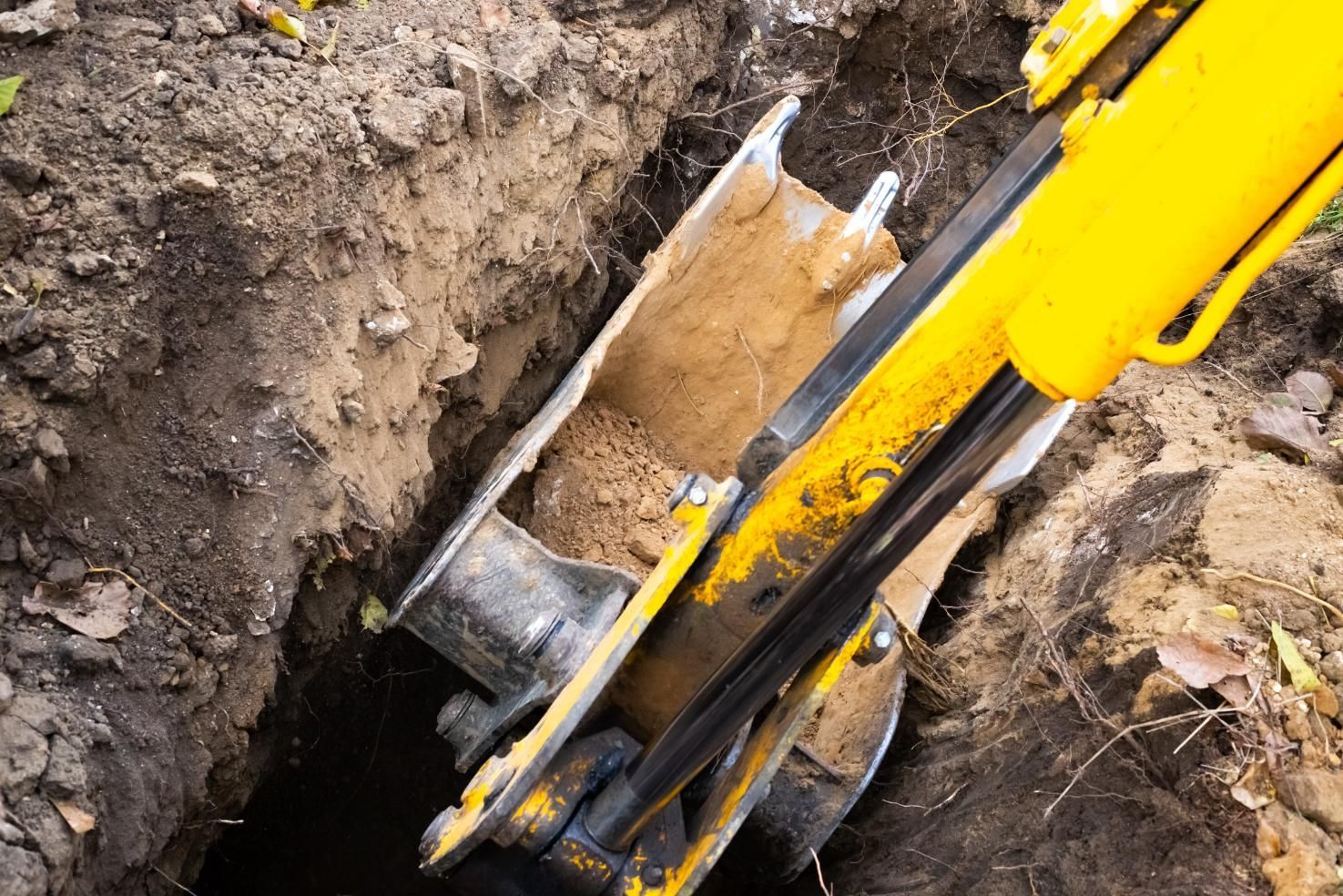
Fire suppression systems in Laramie, WY often require specialized excavation work to support underground water storage, distribution lines, and infrastructure that supplies emergency fire protection. Harvey Dirtworks provides excavation services for fire suppression systems throughout Laramie and within a 100-mile service radius, supporting rural properties, commercial facilities, agricultural operations, and remote structures that require reliable fire response systems.
In areas like Wyoming, where rural development and wide-open land are common, access to municipal fire protection systems may be limited or unavailable. As a result, private fire suppression systems become an essential safety component. These systems depend heavily on properly installed underground components that must be excavated, positioned, and protected against environmental conditions such as freezing temperatures, soil movement, and rocky terrain.
Harvey Dirtworks
performs excavation work for fire suppression systems with attention to depth accuracy, system layout, and long-term underground stability.
Underground Water Supply Systems for Fire Protection
A key component of fire suppression systems is the underground water supply infrastructure that feeds tanks, hydrants, or sprinkler systems. Excavation is required to install these systems safely and ensure consistent water availability in emergency situations.
Water Line Excavation for Fire Systems
Trenching and excavation are used to install underground water lines that connect storage tanks, wells, or external water sources to fire suppression equipment. These lines must be placed at proper depth to prevent freezing and maintain consistent water pressure.
In Laramie, WY, frost depth is a critical factor, and excavation must ensure that water lines remain below freezing levels to maintain system reliability during winter conditions.
Main Supply Line Installation
Fire suppression systems often require larger diameter supply lines capable of delivering high volumes of water quickly. Excavation must accommodate these lines with sufficient trench width and depth to ensure proper flow capacity and structural protection.
Connection to Pumps and Control Systems
Underground excavation also supports the installation of pump systems and control infrastructure. These components regulate water pressure and ensure immediate activation when fire suppression is needed.
Fire Suppression Water Storage Excavation
Many fire suppression systems rely on dedicated water storage tanks or cisterns that must be buried underground or partially recessed for protection and efficiency.
Tank Burial and Site Preparation
Excavation for fire suppression tanks involves creating a stable and level foundation capable of supporting large volumes of stored water. Soil conditions in Laramie vary widely, so excavation must account for rock layers, clay soils, and potential groundwater presence.
Proper site preparation ensures that the tank remains stable and protected from shifting soil or surface pressure over time.
Structural Support and Base Compaction
A compacted base layer is often prepared before tank placement to distribute weight evenly and prevent settling. This is especially important in Wyoming’s freeze-thaw climate, where ground movement can affect buried structures.
Backfill Protection for Underground Tanks
Once the tank is installed, excavation continues with controlled backfilling to secure the structure. Soil is layered and compacted to eliminate voids and reduce pressure points that could compromise tank integrity.
Fire Hydrant and Distribution System Trenching
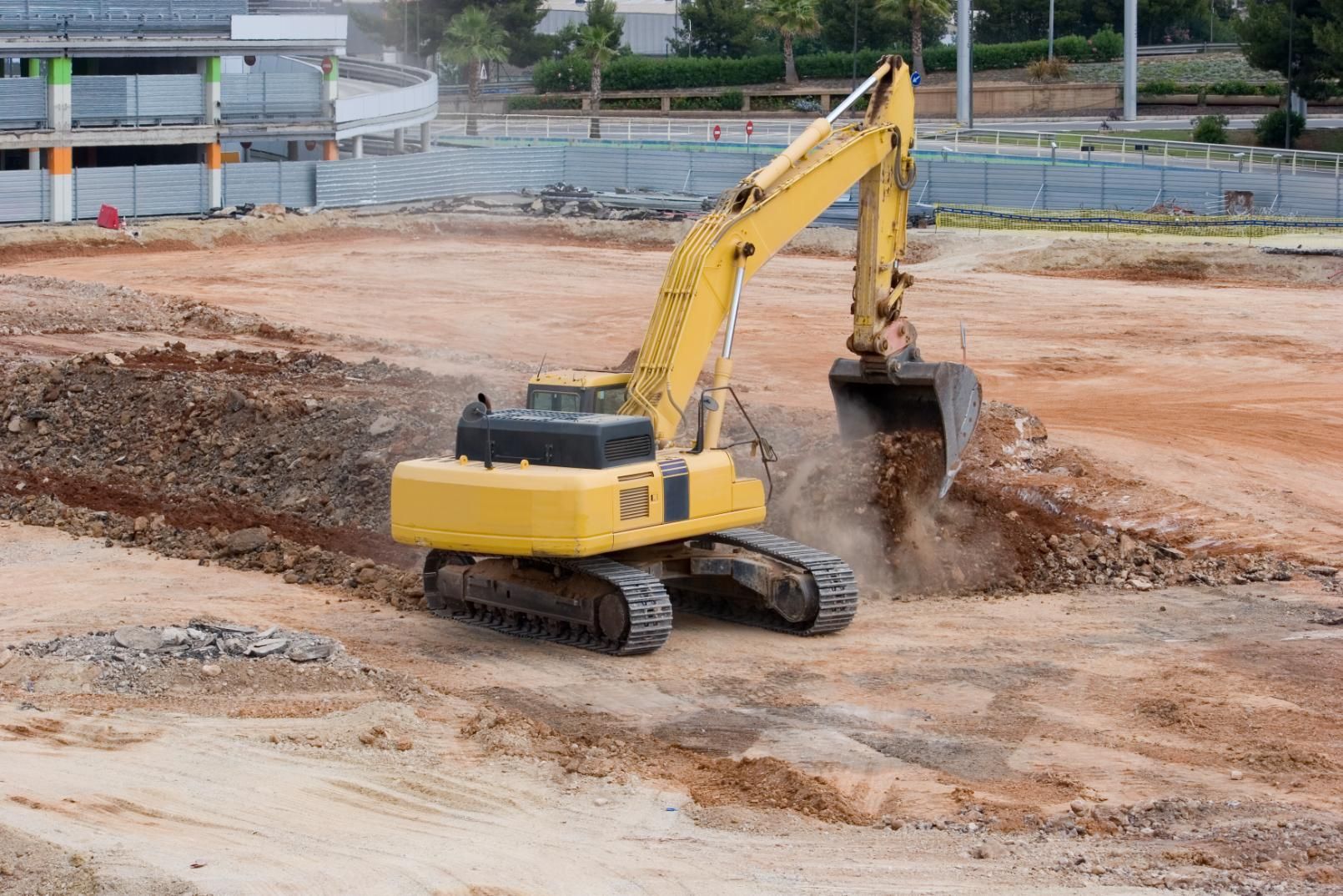
In some fire suppression systems, underground trenching is used to install hydrants or distribution points that provide direct access to water in emergency situations.
Hydrant Line Excavation
Trenching for hydrant systems requires precise alignment and depth control to ensure reliable water delivery. These lines must be protected from freezing and positioned for quick access in emergency scenarios.
Pressure Line Installation
Fire suppression systems depend on high-pressure water delivery. Excavation ensures that pressure-rated pipes are installed correctly and maintained at consistent depth and grade throughout the system.
System Connectivity and Network Layout
Trenching is used to connect multiple components of a fire suppression system into a unified network. This includes linking water sources, storage tanks, hydrants, and distribution points across a property or facility.
Fire Suppression Systems for Rural and Commercial Properties
Fire suppression systems are especially important in rural areas around Laramie, WY, where emergency response times may be longer due to distance and terrain.
Agricultural Property Fire Protection
Ranches and farms often require fire suppression systems to protect buildings, equipment storage, and livestock facilities. Excavation supports the installation of water supply lines and storage systems that provide immediate fire response capability.
Commercial and Industrial Systems
Commercial properties may require larger-scale fire suppression infrastructure, including underground tanks, pump systems, and distribution networks. Excavation ensures that all system components are properly installed and interconnected.
Remote Property Fire Safety Systems
For remote homes and cabins, fire suppression systems provide essential protection in areas without nearby hydrant access. Excavation is used to install compact water storage and delivery systems tailored to property size and access conditions.
Soil and Environmental Considerations in Laramie, WY
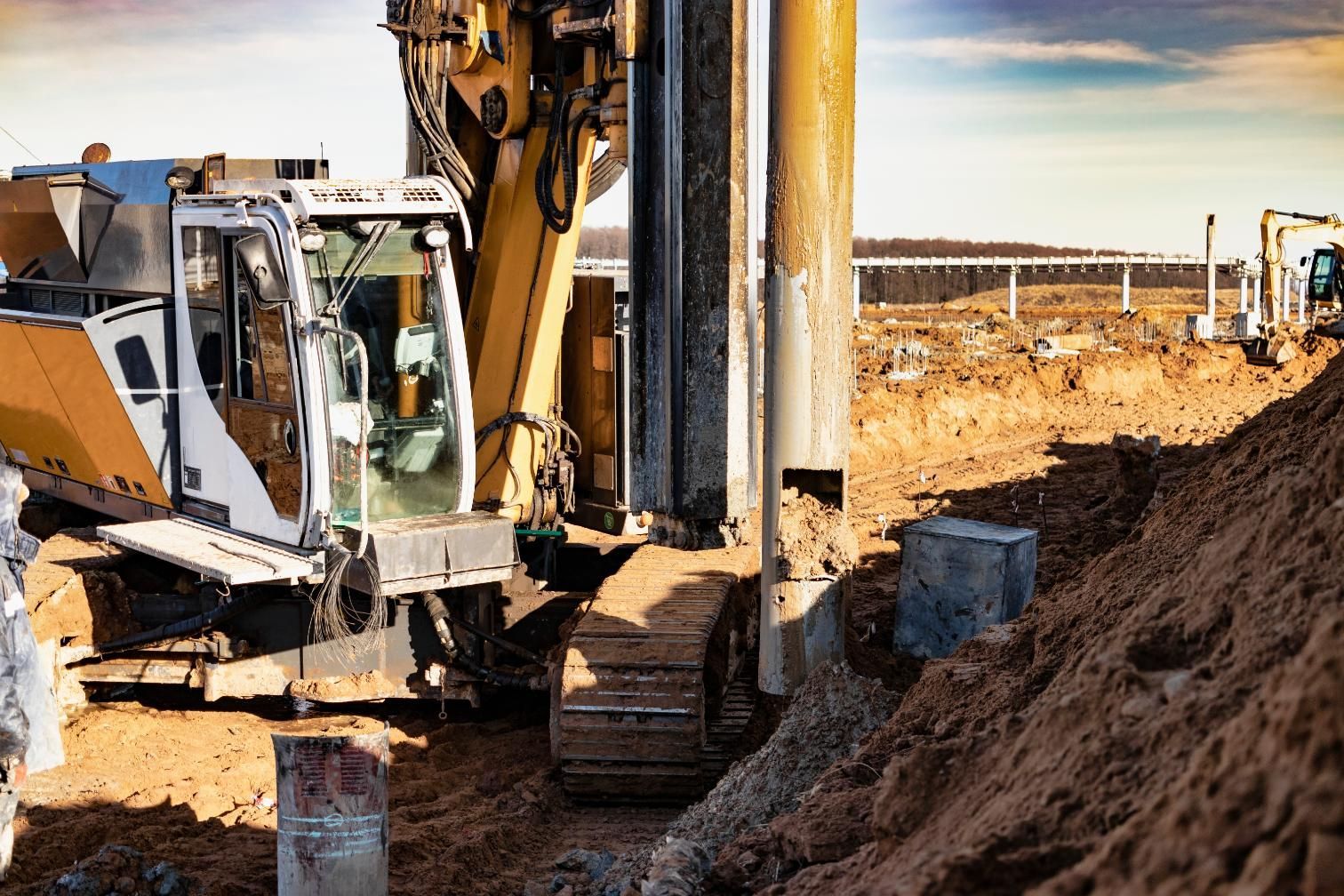
Fire suppression system excavation in Wyoming must account for environmental conditions that affect underground infrastructure performance.
Rocky Subsurface Excavation
Many areas in and around Laramie contain rocky soil layers that require specialized excavation techniques. These conditions can impact trench depth and installation speed but are necessary for proper system alignment.
Freeze-Thaw Ground Movement
Seasonal freezing and thawing can cause soil expansion and contraction. Excavation must ensure that all fire suppression components are installed below frost depth where required to prevent damage and system failure.
Drainage and Water Table Considerations
Proper drainage planning is essential to prevent water accumulation around underground fire suppression systems. Excavation ensures that water flow is directed away from critical components to maintain system integrity.
Service Area for Fire Suppression Excavation
Harvey Dirtworks provides fire suppression system excavation services in Laramie, WY and extends up to 100 miles into surrounding rural, commercial, and agricultural regions. This includes remote properties, industrial sites, farms, ranches, and residential developments requiring dedicated fire protection infrastructure.
Each project is customized based on system design, water source availability, soil conditions, and property layout. Excavation work is performed with precision to ensure that underground fire suppression systems are installed correctly and remain reliable under Wyoming’s environmental conditions.
Fire suppression systems rely heavily on properly executed excavation work to ensure rapid water access and long-term underground stability across all components.