
Foundation Excavation Services in Laramie, Wyoming
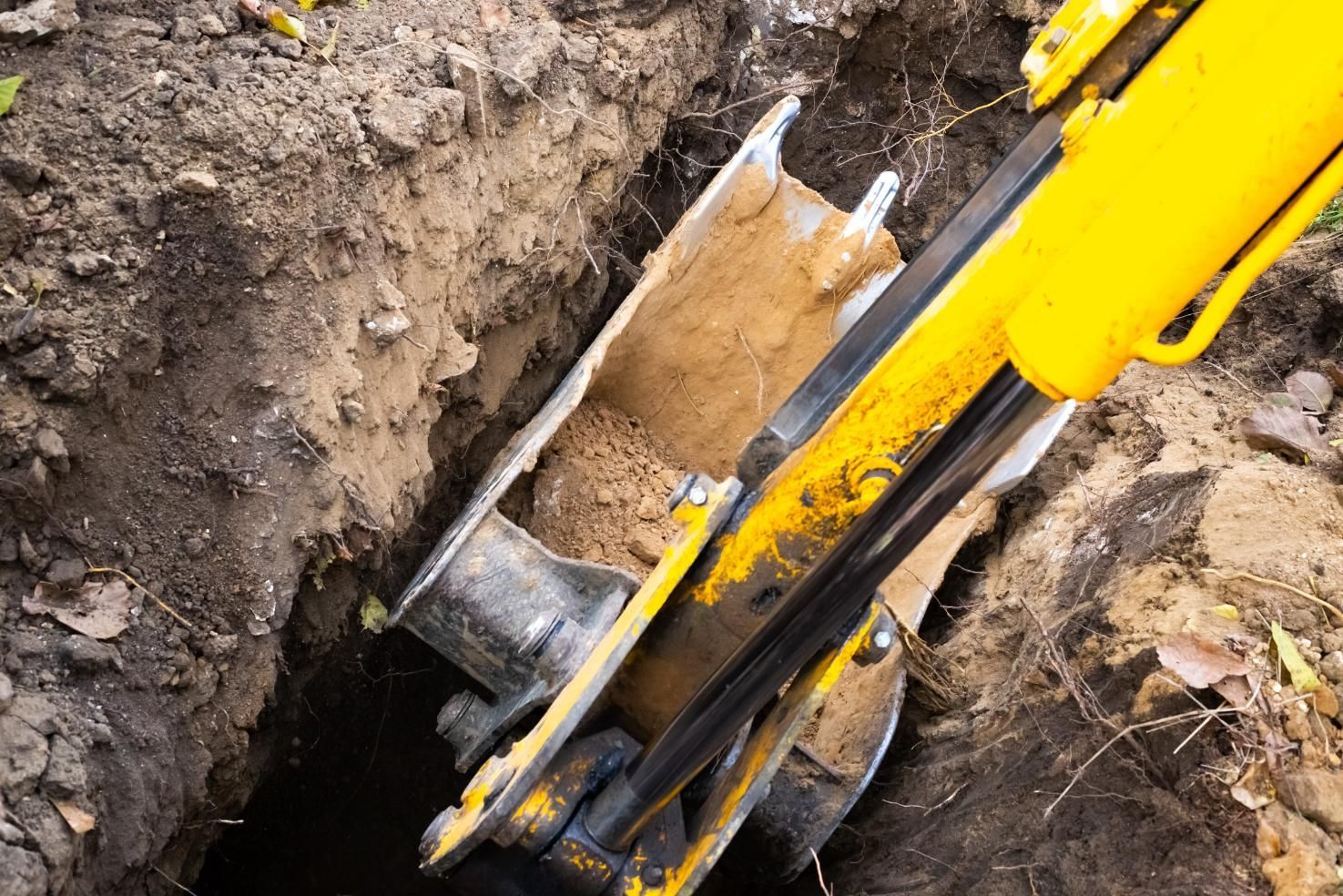
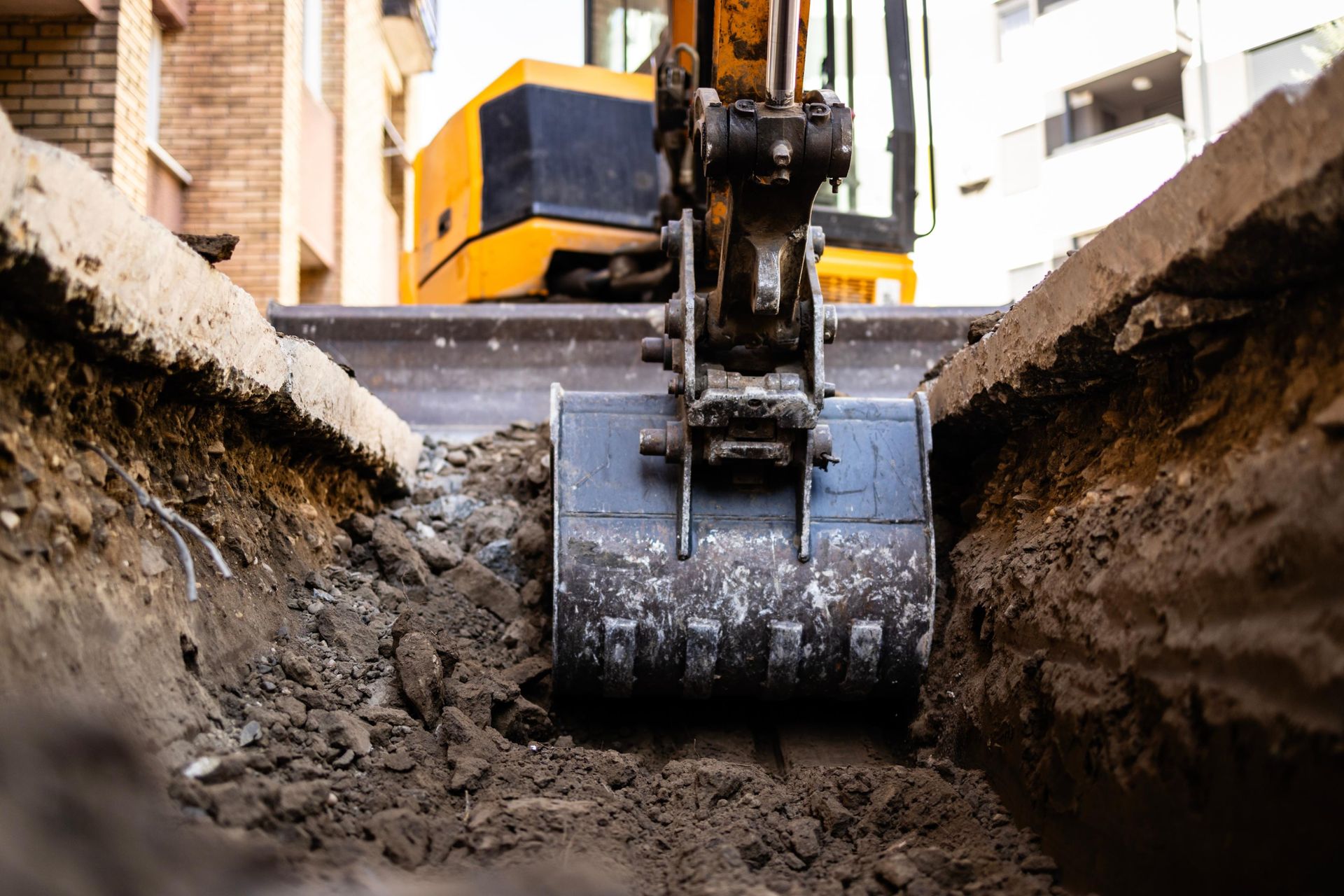
Foundation digging in Laramie, WY involves precise excavation work to prepare land for the structural base of residential, commercial, and agricultural buildings. Harvey Dirtworks provides foundation excavation services throughout Laramie and within a 100-mile service radius, working across a wide range of soil conditions and terrain types found in Wyoming.
Foundation excavation is one of the most critical stages in any construction project because it establishes the depth, shape, and stability of the structure’s base. In regions like Laramie, where soil can vary between rocky ground, clay-heavy layers, and loose gravel, excavation must be carefully controlled to meet engineering requirements and ensure long-term structural performance.
Harvey Dirtworks
performs foundation digging with attention to depth accuracy, soil stability, and layout precision to support safe and reliable building construction.
Site Preparation for Foundation Digging
Before excavation begins, the site must be properly prepared to ensure accurate foundation layout and safe digging conditions. In Laramie, WY, site conditions often require evaluation due to uneven terrain and variable soil composition.
Building Layout and Marking
The foundation area is measured and marked according to construction plans. This ensures that excavation aligns precisely with the intended structure footprint. Accurate layout is essential for maintaining proper building dimensions and load distribution.
Surface Clearing and Obstruction Removal
Any vegetation, rocks, or surface debris is removed before excavation begins. This step helps create a clean working area and prevents interference during foundation digging.
Initial Soil Assessment
Soil conditions are evaluated to determine excavation methods and equipment requirements. Rocky layers, clay content, and moisture levels all influence how the foundation is dug and stabilized.
Residential Foundation Excavation
Residential foundation digging requires precise excavation to support homes, garages, and smaller structures. In Laramie, WY, frost depth and soil movement must be carefully considered during excavation.
Basement Foundation Excavation
Basement foundations require deep excavation to create below-grade living or storage space. Soil is removed in controlled layers to maintain wall stability and prevent collapse during digging.
Crawl Space and Slab Preparation
Crawl space and slab foundations require shallower but highly precise excavation. The base must be level and compacted to support structural loads evenly across the foundation footprint.
Frost Depth Considerations for Homes
Wyoming’s freeze-thaw cycles require excavation below frost depth in many residential applications. This helps prevent foundation shifting and structural damage caused by seasonal ground movement.
Commercial Foundation Digging
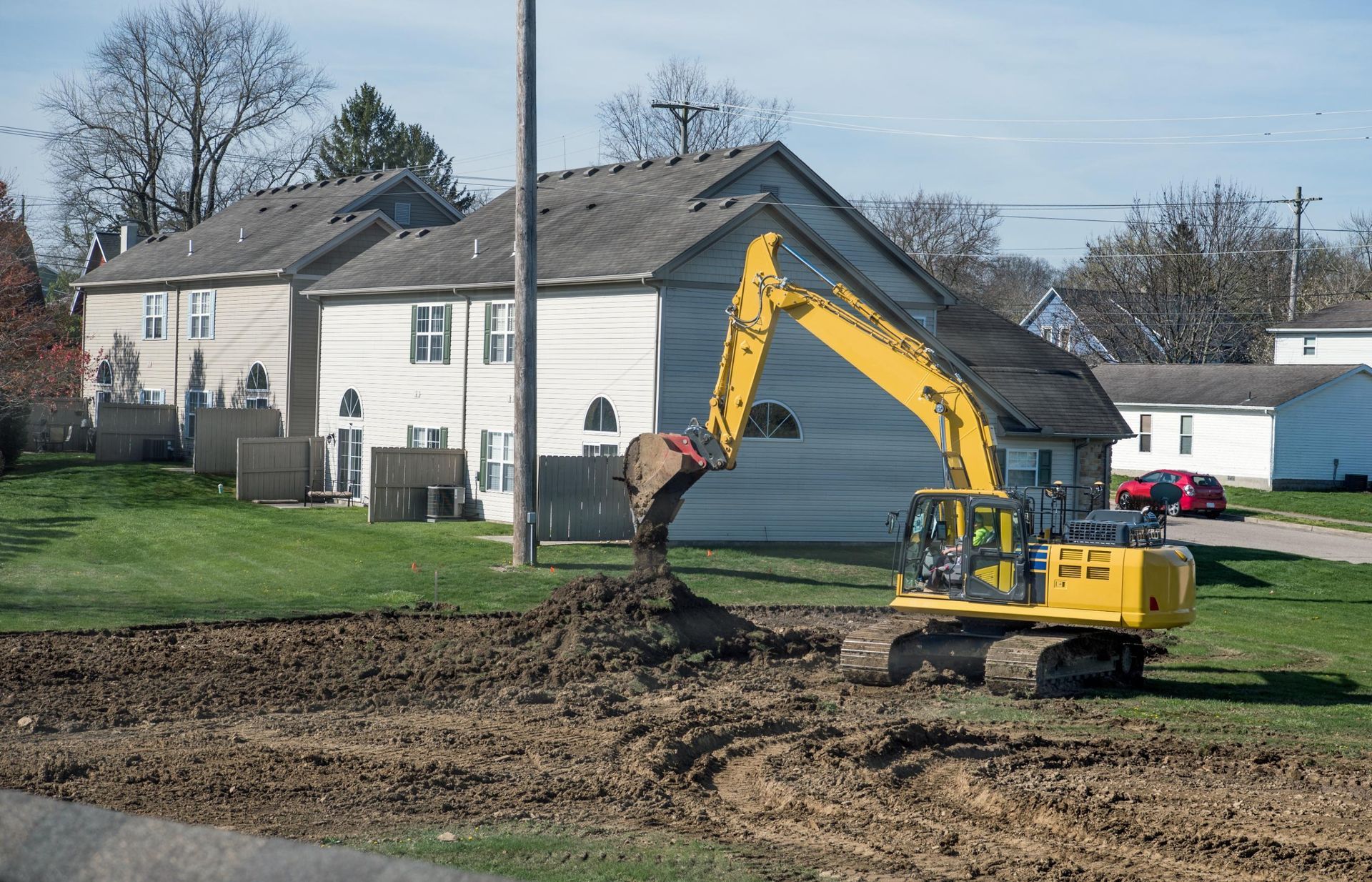
Commercial foundation excavation involves larger-scale digging for buildings that require stronger load-bearing capacity and more complex structural layouts.
Building Pad Excavation
Commercial projects often begin with building pad creation, where excavation is used to level and prepare large foundation areas. These pads must meet strict engineering specifications for structural support.
Deep Foundation and Load-Bearing Zones
Some commercial structures require deeper excavation for reinforced foundations or load-bearing support zones. Excavation must be precise to ensure proper weight distribution.
Coordination with Construction Plans
Commercial foundation digging is closely coordinated with engineers and contractors to ensure that excavation matches structural requirements and project timelines.
Soil Conditions and Excavation Challenges in Laramie, WY
Foundation digging in Wyoming requires adaptation to diverse soil conditions that affect excavation depth, stability, and construction readiness.
Rocky Subsurface Excavation
Many areas around Laramie contain rocky soil layers that require mechanical breaking or specialized excavation techniques. These conditions can affect digging speed but are necessary for accurate foundation placement.
Clay Soil Expansion and Movement
Clay-heavy soils expand when wet and contract when dry, which can impact foundation stability. Excavation must account for these conditions to reduce long-term structural movement.
Loose Soil Stabilization
In areas with sandy or loose soil, additional stabilization may be required during excavation to prevent trench collapse and maintain foundation shape.
Foundation Trenching and Structural Preparation
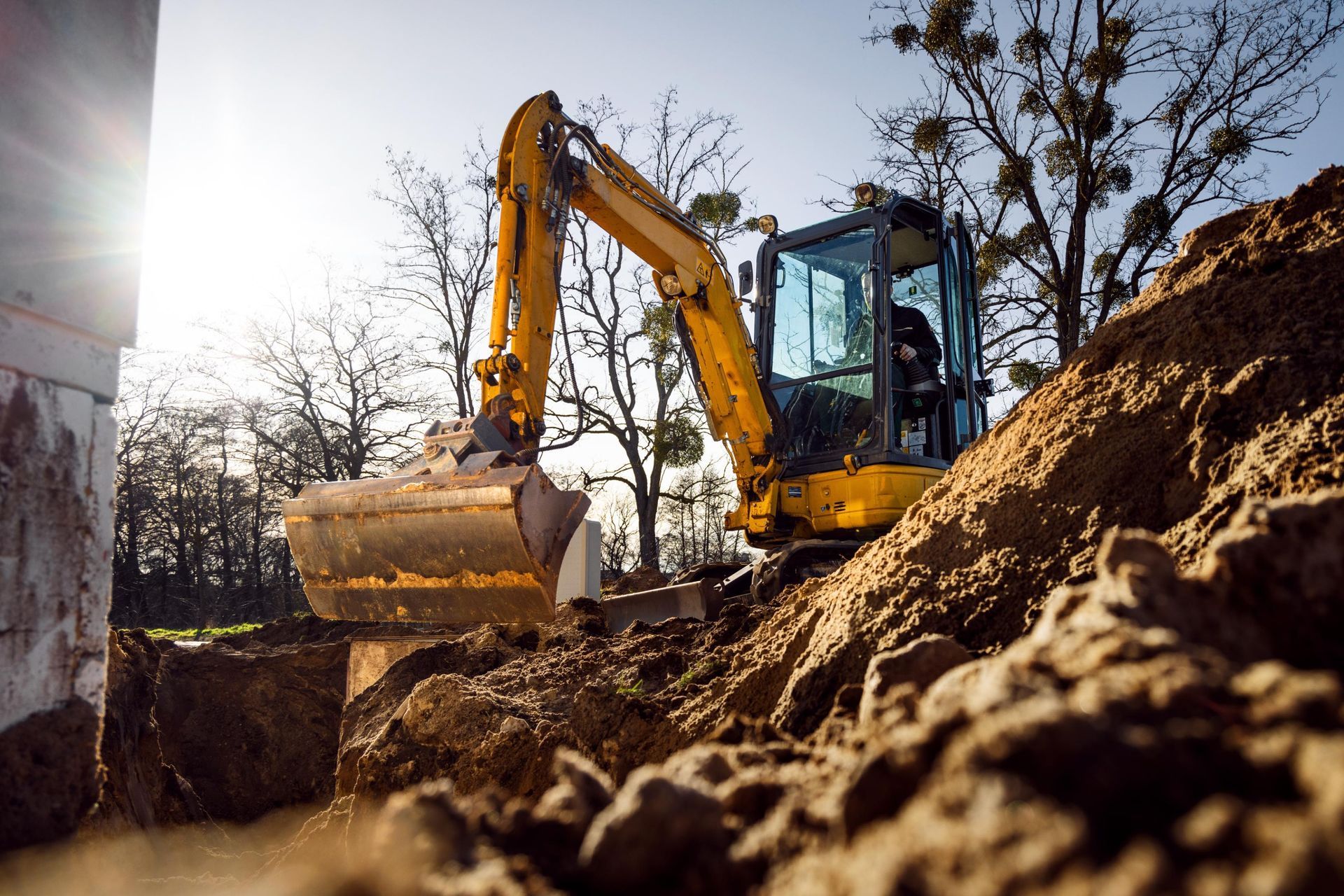
Foundation digging often includes trenching for footings, walls, and support structures that form the base of a building.
Footing Excavation
Footings are excavated to support the weight of the structure and distribute loads evenly into the ground. These trenches must be uniform in depth and width to meet engineering specifications.
Perimeter Wall Trenching
Perimeter foundation walls require continuous trench excavation around the structure footprint. This ensures structural continuity and proper alignment for foundation walls.
Reinforcement Preparation
Excavation is prepared to accommodate reinforcement materials such as rebar or concrete forms, ensuring that the foundation can support long-term structural loads.
Drainage and Groundwater Considerations
Proper drainage is essential during foundation excavation to prevent water accumulation and soil instability.
Groundwater Management During Excavation
In areas where groundwater is present, excavation may require temporary drainage solutions to maintain dry and stable working conditions.
Foundation Drainage Planning
Drainage systems are often installed around foundations to direct water away from the structure. Excavation ensures proper placement of these systems.
Erosion Prevention During Digging
Excavation is managed carefully to prevent soil erosion during and after foundation digging, especially in sloped or loose soil areas.
Backfilling and Foundation Site Completion
Once foundation excavation is complete and construction begins, excavation work transitions into backfilling and site finishing.
Controlled Backfill Placement
Soil is returned around the foundation in layers to support structural walls and reduce pressure imbalance. Proper backfilling helps stabilize the foundation over time.
Soil Compaction for Structural Stability
Compaction is performed during backfilling to reduce settling and improve ground strength around the foundation perimeter.
Final Site Grading Around Foundation
After excavation and construction work, the surrounding area is graded to ensure proper drainage and surface alignment around the structure.
Service Area for Foundation Digging in Wyoming
Harvey Dirtworks provides foundation digging services in Laramie, WY and extends up to 100 miles into surrounding residential, commercial, agricultural, and rural areas. This includes new construction sites, property developments, and remote building locations requiring structural excavation.
Each foundation excavation project is tailored to site conditions, soil type, and engineering requirements. Work is performed with precision to ensure accurate depth, alignment, and stability for long-term structural performance.
Foundation digging is a critical step in construction, and proper excavation ensures that buildings are supported by a stable and well-prepared ground base across Wyoming’s diverse environmental conditions.