
Cistern Burial Excavation in Laramie, Wyoming
Cistern burial in Laramie, WY involves the excavation and underground installation of water storage tanks designed to collect, store, and supply water for residential, agricultural, and rural properties. Harvey Dirtworks provides cistern burial services throughout Laramie and within a 100-mile service radius, supporting properties that rely on independent water storage systems.
Cistern systems are commonly used in areas where municipal water access is limited or where supplemental water storage is required for irrigation, livestock, or household use. Proper excavation is essential to ensure the cistern is securely placed, level, and protected from environmental stressors such as soil movement, freezing temperatures, and surface runoff.
In Wyoming, where soil conditions vary from rocky terrain to dense clay layers, cistern burial requires careful planning and precise excavation techniques to ensure long-term system stability and safe water storage.
Cistern Tank Excavation and Site Preparation
The installation of a cistern begins with site preparation and excavation tailored to the size and type of tank being installed. Proper excavation ensures the tank is supported evenly and positioned at the correct depth relative to the water supply system.
Ground Assessment and Layout Planning
Before excavation begins, the site is evaluated to determine soil composition, slope, and access conditions. In the Laramie region, terrain can vary significantly even within a single property, making accurate layout planning essential for proper tank placement.
The excavation area is marked based on cistern dimensions and required clearance for piping connections and maintenance access. This ensures that the tank will be positioned correctly within the surrounding landscape.
Excavation Depth and Structural Support
Cistern burial requires digging to a depth that fully accommodates the tank while allowing for a stable base layer. Excavation must account for both the height of the tank and the additional bedding material used for support.
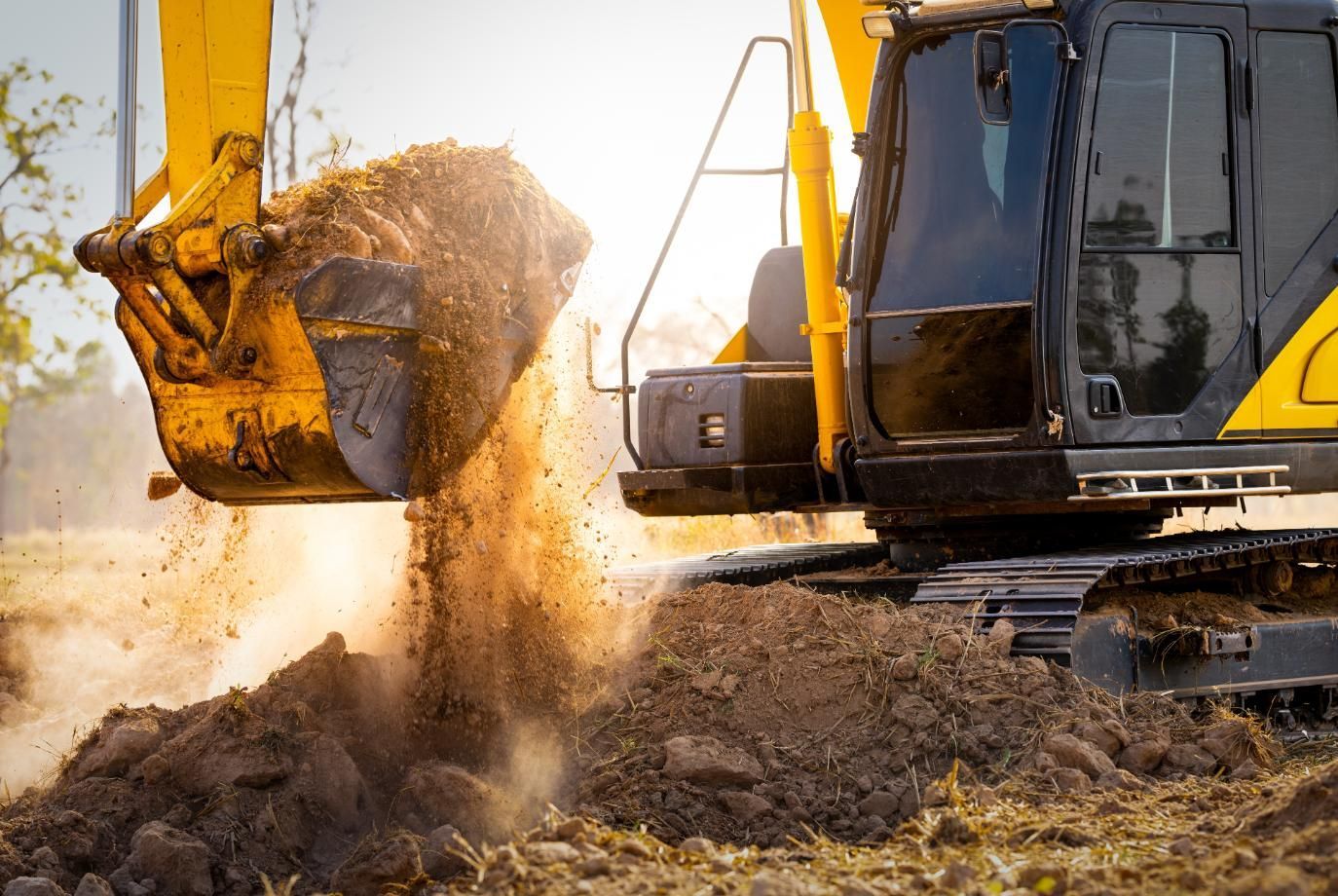
Soil is removed in layers to maintain control over trench stability and prevent collapse in areas with loose or sandy ground. In rocky conditions, specialized excavation techniques may be used to break through compacted layers without damaging the intended tank base area.
Base Leveling and Foundation Preparation
Once the excavation reaches the required depth, the base is leveled and prepared for cistern placement. This step is critical to ensuring the tank sits evenly and does not experience shifting or stress over time.
A compacted bedding layer is often added to provide a stable foundation that distributes weight evenly across the excavation site. This helps prevent settling and reduces long-term structural strain on the cistern.
Underground Cistern Installation and Positioning
After excavation and base preparation, the cistern is carefully lowered into place. This stage requires precision to ensure correct alignment with water inlet and outlet systems.
Tank Placement and Alignment
The cistern must be positioned according to the pre-planned layout to ensure proper connection to plumbing and pump systems. Even slight misalignment can affect water flow and system efficiency, making careful placement essential.
Equipment is used to lower the tank into the excavation site without causing damage to the structure or surrounding soil. Adjustments are made as needed to ensure the tank is level and properly oriented.
Connection to Water Supply Systems
Once the cistern is in place, it is connected to the water supply system, which may include wells, rainwater collection systems, or external water sources. Excavation allows access for piping installation and ensures that all connections are properly routed below ground level.
The positioning of these connections is designed to maintain consistent water flow while protecting pipes from external pressure and environmental exposure.
Backfilling and Soil Stabilization
After installation and connection, excavation work continues with controlled backfilling around the cistern. Soil is added in layers and compacted to secure the tank in place and eliminate voids that could lead to shifting.
Proper backfilling is essential in Wyoming’s climate, where freeze-thaw cycles can cause ground movement. Compacted soil helps stabilize the cistern and maintain its position over time.
Cistern Burial for Rural and Agricultural Properties
Cistern systems are commonly used across rural and agricultural areas around Laramie, WY. These systems support water storage needs where consistent access to treated municipal water is not available.
Residential Water Storage Systems
For homes located outside city infrastructure, cisterns provide a reliable source of stored water for daily use. Excavation ensures these systems are safely buried and integrated into the property without disrupting surface land use.
Agricultural and Livestock Water Supply
Farms and ranches often use cisterns to store large volumes of water for livestock hydration, irrigation, and operational needs. Excavation for these systems may involve larger tanks and deeper burial requirements to accommodate higher capacity demands.
Remote Property Water Solutions
Properties in remote areas often rely entirely on cistern systems for water access. Excavation in these locations must account for terrain limitations, equipment access, and long-term environmental exposure.
Soil Conditions and Environmental Factors in Laramie, WY
Cistern burial in Laramie and surrounding Wyoming regions requires adaptation to varied soil and environmental conditions. These factors directly influence excavation methods and installation stability.
Rocky and Compact Soil Excavation
Many areas in Wyoming contain rocky subsurface layers that require mechanical breaking or specialized excavation techniques. These conditions can affect excavation speed and require careful handling to maintain excavation accuracy.
Clay and Moisture-Retaining Soil Behavior
Clay-heavy soils expand and contract with moisture changes, which can impact underground structures. Excavation must account for this behavior by ensuring proper drainage and compacted backfill around the cistern.
Frost Depth and Seasonal Ground Movement
Wyoming’s freeze-thaw cycles can cause significant ground movement. Cistern burial must be performed below frost depth where applicable, and excavation must ensure that soil pressure does not compromise tank integrity during seasonal changes.
Service Area Coverage for Cistern Burial
Harvey Dirtworks provides cistern burial excavation services in Laramie, WY and extends up to 100 miles into surrounding rural, agricultural, and residential regions. This service area includes properties with varying terrain types, from open plains to uneven high-elevation land.
Each cistern burial project is adjusted based on site accessibility, soil conditions, and water system requirements. Excavation work is performed to ensure that cistern systems are installed securely and function effectively in long-term underground applications.
Cistern burial requires careful coordination between excavation depth, tank positioning, and soil stabilization to ensure reliable water storage performance across all environmental conditions found in the region.