
Irrigation System Excavation in Laramie, Wyoming
Irrigation in Laramie, WY involves the excavation, installation, and preparation of underground systems designed to distribute water efficiently across residential, agricultural, and commercial land. Harvey Dirtworks provides irrigation excavation services throughout Laramie and within a 100-mile service radius, supporting properties that require reliable water delivery for landscaping, crops, and land management.
In Wyoming, where rainfall can be limited and seasonal conditions vary significantly, irrigation systems play an important role in maintaining soil moisture and supporting plant growth. Proper excavation is essential for ensuring that irrigation lines are installed at the correct depth, protected from damage, and positioned for efficient water distribution.
Harvey Dirtworks
performs irrigation excavation with attention to soil conditions, system layout, and elevation changes to ensure long-term functionality and consistent water flow.
Irrigation Trenching and Underground Line Installation
Trenching is the foundation of irrigation system installation. It involves precise excavation to create channels for water lines that distribute water evenly across designated areas.
Water Line Trenching and Layout
Irrigation systems rely on a network of underground pipes that must be installed in carefully measured trenches. Excavation is performed according to system design layouts, ensuring that water lines are positioned to provide uniform coverage across lawns, fields, or agricultural zones.
Trench depth is adjusted based on system type and frost considerations, ensuring that pipes remain protected from freezing temperatures common in the Laramie region.
Pipe Placement and System Routing
Once trenches are excavated, irrigation pipes are laid out according to the planned configuration. Proper routing ensures that water pressure is distributed evenly and that each zone receives adequate irrigation coverage.
Excavation must maintain consistent trench width and depth to support stable pipe placement and prevent shifting over time.
Backfilling and Soil Compaction
After pipes are installed, trenches are carefully backfilled using excavated soil. Layered compaction is performed to eliminate air pockets and stabilize the surrounding ground. This helps protect irrigation lines from external pressure and reduces the risk of pipe damage.
Agricultural Irrigation System Excavation
Agricultural irrigation systems in Laramie, WY require larger-scale excavation to support crop production and land management across wide areas of farmland and ranch property.
Field Irrigation Line Installation
Excavation for agricultural irrigation involves creating long trench systems that distribute water across fields. These systems may include main supply lines and branching distribution networks designed to cover large land areas efficiently.
Trench alignment is planned to follow field contours and elevation changes, ensuring even water distribution across varying terrain.
Water Distribution Efficiency Planning
Proper excavation ensures that irrigation lines are placed to maximize water efficiency. In Wyoming’s dry climate, minimizing water loss and ensuring targeted distribution is essential for maintaining crop health and soil moisture levels.
Pump and Supply Line Integration
Agricultural irrigation systems often connect to wells, cisterns, or water storage tanks. Excavation includes routing supply lines from these sources to the main irrigation network, ensuring uninterrupted water flow across the system.
Residential and Landscape Irrigation Excavation
Residential irrigation systems require precise excavation to support lawn care, garden maintenance, and landscaping projects. In Laramie, WY, these systems must be designed to withstand seasonal temperature changes and soil movement.
Lawn Irrigation System Installation
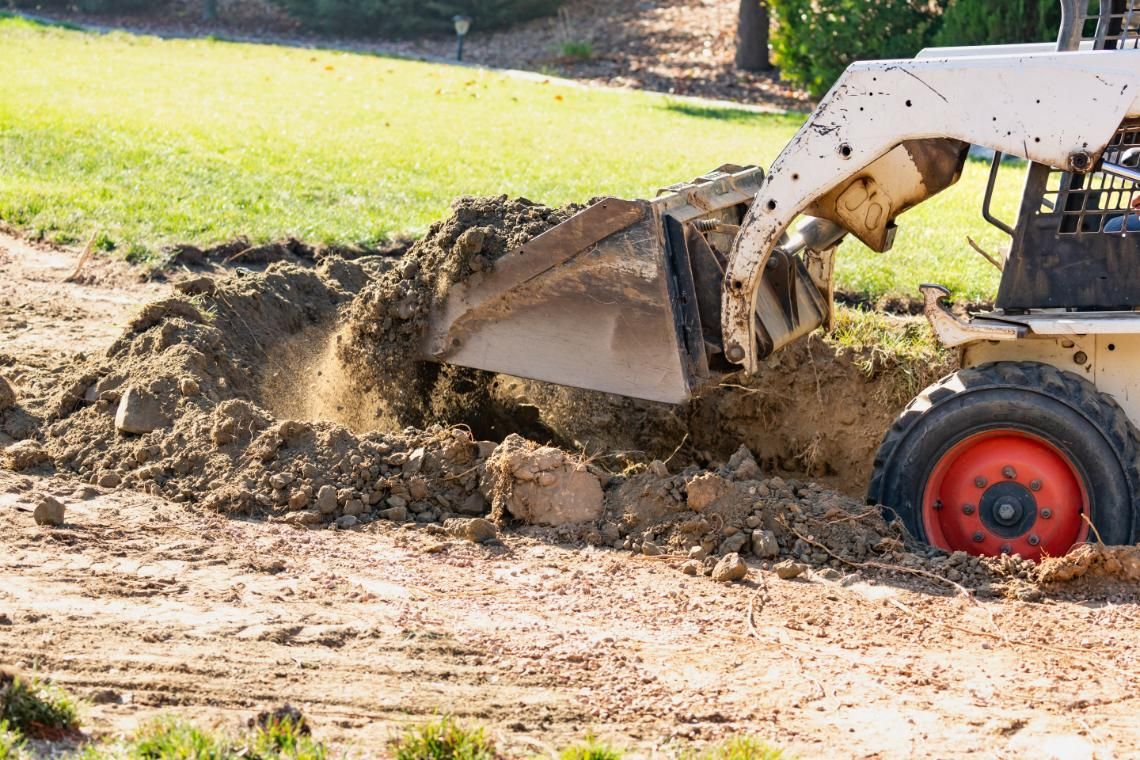
Excavation for residential irrigation involves installing underground sprinkler lines that distribute water evenly across lawns. Trenches are carefully shaped to avoid damaging existing landscaping while ensuring full system coverage.
Garden and Landscape Watering Systems
Gardens and landscaped areas often require targeted irrigation zones. Excavation allows for the installation of specialized water lines that deliver controlled moisture to plant beds, shrubs, and trees.
Minimal Surface Disruption Excavation
Residential irrigation excavation is performed with attention to minimizing disruption to existing yards and outdoor spaces. Soil removal and trenching are managed carefully to preserve surface integrity while installing underground systems.
Irrigation Drainage and Water Flow Management
Proper irrigation design in Wyoming must account not only for water delivery but also for drainage and soil absorption. Excavation plays a key role in managing both water input and excess runoff.
Controlled Water Distribution Systems
Irrigation systems are designed to release water at controlled rates to prevent oversaturation. Excavation ensures that lines are positioned to distribute water evenly without pooling or runoff issues.
Soil Absorption and Drainage Considerations
Different soil types in the Laramie area affect how water is absorbed. Clay-heavy soils retain water longer, while sandy soils allow faster drainage. Excavation planning accounts for these conditions to ensure efficient irrigation performance.
Runoff Prevention and Slope Adjustment
Land slope affects how water moves across irrigated areas. Excavation may include minor grading adjustments to prevent water from pooling in low areas or running off before it is absorbed.
Irrigation System Repairs and Excavation Access
Over time, irrigation systems may require repair due to pipe damage, shifting soil, or system upgrades. Excavation is necessary to access underground components for maintenance and restoration.
Pipe Exposure and Repair Excavation
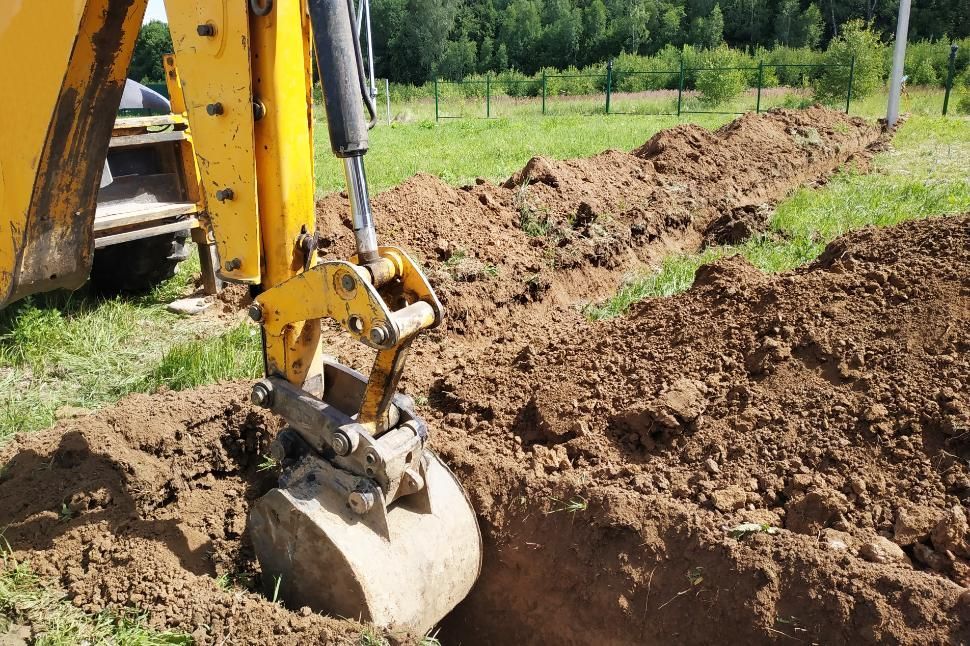
When irrigation lines break or become clogged, excavation is used to expose the affected sections. This allows for direct repair or replacement of damaged pipes without disturbing the entire system.
System Expansion and Upgrades
Irrigation systems may be expanded to cover additional land areas. Excavation supports system upgrades by creating new trench paths that connect to existing infrastructure.
Leak Detection and Ground Inspection
In cases of water loss or pressure issues, excavation may be used to locate leaks or identify soil-related system disruptions. This ensures that irrigation systems continue operating efficiently.
Soil and Environmental Conditions in Laramie, WY
Irrigation excavation in Wyoming requires adaptation to diverse environmental and soil conditions that influence system design and performance.
Rocky and Compact Soil Excavation
Certain areas around Laramie contain rocky subsurface layers that require mechanical excavation methods. These conditions can impact trenching speed and require careful handling to maintain accurate system layout.
Clay Soil Water Retention Behavior
Clay-rich soils retain water longer and can impact irrigation efficiency. Excavation planning considers soil absorption rates to ensure proper irrigation timing and distribution.
Freeze-Thaw Ground Movement
Seasonal temperature changes can cause soil expansion and contraction. Irrigation trenches must be excavated at appropriate depths to prevent pipe damage caused by freezing conditions.
Service Area Coverage for Irrigation Systems
Harvey Dirtworks provides irrigation excavation services in Laramie, WY and extends up to 100 miles into surrounding agricultural, residential, and rural regions. This includes farmland, ranches, residential properties, and undeveloped land requiring water distribution systems.
Each irrigation project is tailored to site conditions, water source availability, and land usage requirements. Excavation work ensures that irrigation systems are installed with proper depth, alignment, and protection to support long-term water delivery performance.
Irrigation systems rely heavily on precise excavation and proper installation to ensure efficient water use across Wyoming’s variable climate and terrain conditions.