
Septic System Excavation and Installation in Laramie, Wyoming
Septic systems in Laramie, WY require precise excavation, careful site evaluation, and proper installation techniques to function effectively in varying soil and weather conditions.. Harvey Dirtworks provides septic system excavation services throughout Laramie and surrounding areas within a 100-mile radius, supporting residential, rural, and light commercial properties that rely on onsite wastewater management
In regions where municipal sewer systems are not available, septic systems serve as the primary method of wastewater treatment and disposal. These systems depend heavily on correct excavation depth, soil absorption capacity, and properly constructed components to operate without failure. Wyoming’s terrain presents unique challenges, including rocky soil layers, clay-heavy zones, and seasonal frost movement, all of which influence how septic systems must be installed and maintained.
Excavation is the foundation of every septic installation, ensuring that both the tank and leach field are placed at correct depths and aligned according to soil conditions and engineering requirements.
Septic Tank Excavation and Underground Installation
The septic tank is the central component of a wastewater system, responsible for separating solids and allowing liquids to flow into the leach field. Proper excavation for tank placement is essential to ensure structural stability and long-term functionality.
Tank Bed Preparation and Depth Control
Excavation for septic tanks involves creating a level and compacted base that supports the full weight of the tank when filled. In Laramie, WY, soil composition can vary significantly, so excavation must account for both load-bearing capacity and potential ground shifting.
Depth is carefully controlled to ensure that inlet and outlet pipes align correctly with the home’s plumbing system. Incorrect elevation can lead to drainage issues or system backflow, making precision excavation critical during installation.
Soil Stability and Reinforcement Considerations
Certain areas around Laramie contain loose or rocky soil that requires additional preparation during excavation. This may include removing unstable material or reshaping the tank bed to create a firm and level foundation. In some cases, compacted gravel or sand bedding is used to stabilize the base before the tank is placed.
Tank Positioning and Backfill Integration
Once the septic tank is set in place, excavation work continues with controlled backfilling. Soil is layered and compacted around the tank to prevent shifting and to protect structural integrity. Proper backfill technique helps reduce pressure points and ensures the tank remains stable over time.
Leach Field Excavation and Soil Absorption Systems
The leach field is responsible for filtering and dispersing treated wastewater into the surrounding soil. Excavation for leach fields is highly dependent on soil type, slope, and groundwater conditions in the Laramie region.
Trench Excavation for Distribution Lines
Leach fields consist of a series of trenches that contain perforated pipes. Excavation for these trenches must maintain consistent depth and spacing to ensure even wastewater distribution. Uneven trenching can lead to system overload or localized saturation.
Soil Percolation and Site Adaptation
Soil in Wyoming varies between sandy, rocky, and clay-rich compositions, each affecting how water is absorbed. Excavation must be adapted to these conditions to prevent system failure. In areas with slower absorption rates, wider trench spacing or adjusted field layout may be required.
Gravel Bedding and Filter Layer Placement
After trench excavation, a layer of gravel or similar material is placed to support pipe systems and enhance filtration. Excavation depth must account for these additional layers to ensure the drain field sits at the correct elevation relative to the septic tank and home outlet.
Septic System Repairs and Excavation Access Work
Septic systems may require excavation during repair or maintenance when components fail or become obstructed. In Laramie, WY, soil movement from freeze-thaw cycles and seasonal moisture changes can contribute to system wear over time.
Tank Exposure and Access Excavation
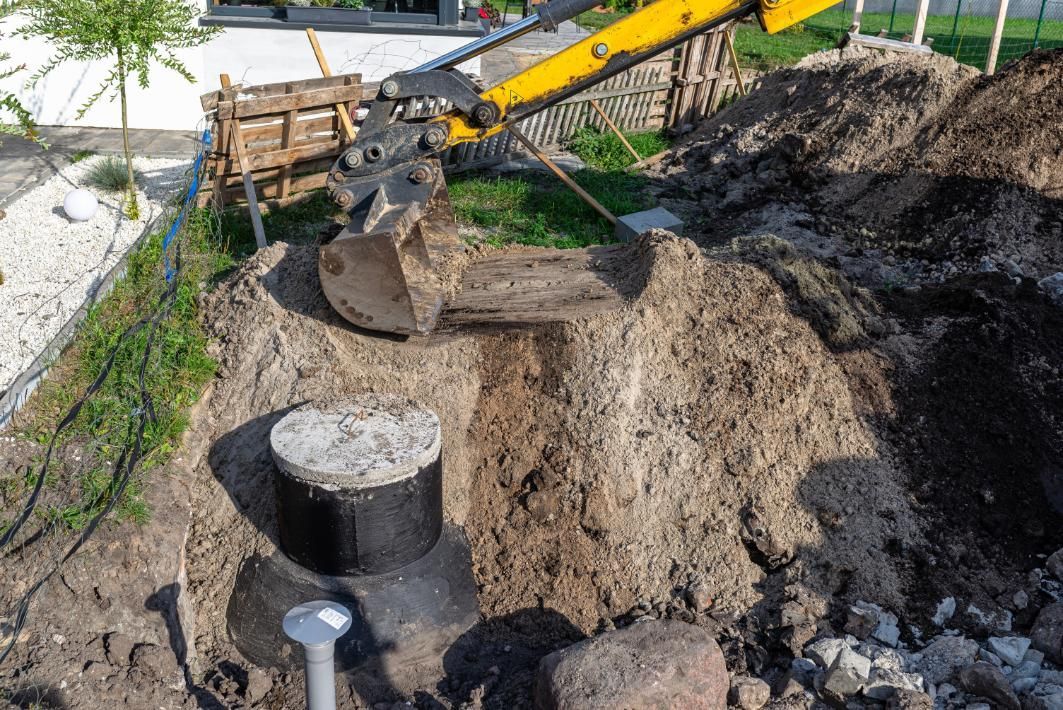
When septic tanks require inspection or repair, excavation is used to expose the tank lid and access points. This process must be performed carefully to avoid damaging inlet and outlet connections or compromising surrounding soil structure.
Leach Field Restoration Excavation
Drain fields can become saturated or clogged due to long-term use or improper installation. Excavation may be used to uncover damaged sections, replace piping, or restore proper soil conditions. In some cases, partial system reconstruction is required depending on the extent of failure.
Pipe and Connection Repairs
Septic systems rely on a network of underground pipes that can shift or break due to soil movement. Excavation allows access to these lines for repair or replacement, ensuring that wastewater continues to flow properly between the home, tank, and drain field.
Site Conditions for Septic Systems in Laramie and Surrounding Areas
Harvey Dirtworks
provides septic system excavation services in Laramie, WY and extends up to 100 miles into surrounding rural and semi-rural regions. These areas often rely heavily on septic systems due to limited access to municipal sewer infrastructure.
Soil and Terrain Variability
The Laramie region includes a mix of rocky terrain, compacted soil, and areas with high clay content. Each soil type affects excavation depth, drainage efficiency, and system design. Proper site evaluation is essential before excavation begins to ensure the system functions correctly.
Frost Depth and Seasonal Ground Movement
Wyoming’s climate introduces frost penetration that can impact underground systems. Septic excavation must account for frost depth to prevent freezing of pipes and shifting of system components during seasonal changes.
Rural Installation Challenges
In more remote areas, septic installation may involve longer trench runs, uneven terrain, and limited access for equipment. Excavation work in these locations is adjusted based on accessibility and natural land features while maintaining system alignment and functionality.
Excavation Coordination for Septic System Development
Septic system installation requires coordination between excavation, plumbing layout, and system design. Each component must be positioned accurately to ensure proper wastewater flow and treatment performance.
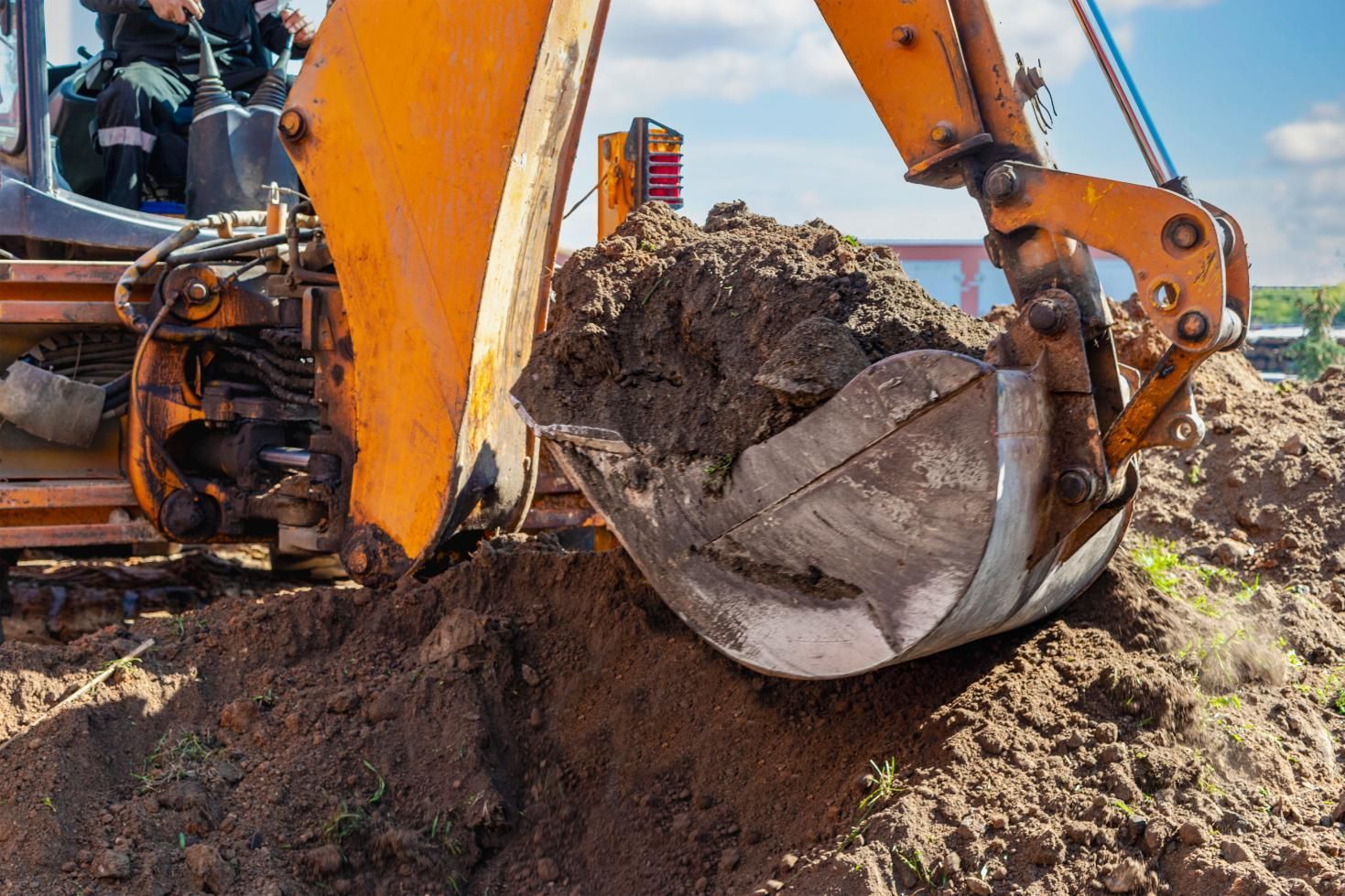
Excavation serves as the structural foundation for this process, shaping the land to meet engineering specifications and ensuring that both tank and leach field components operate as intended. In Laramie, WY, where environmental conditions can vary widely, careful excavation planning is essential for system longevity and performance.
Harvey Dirtworks
performs septic system excavation with attention to soil conditions, site layout, and elevation control across all project phases, supporting residential and rural wastewater infrastructure throughout the region.