
Utility Trenching and Ditch Excavation in Laramie, Wyoming
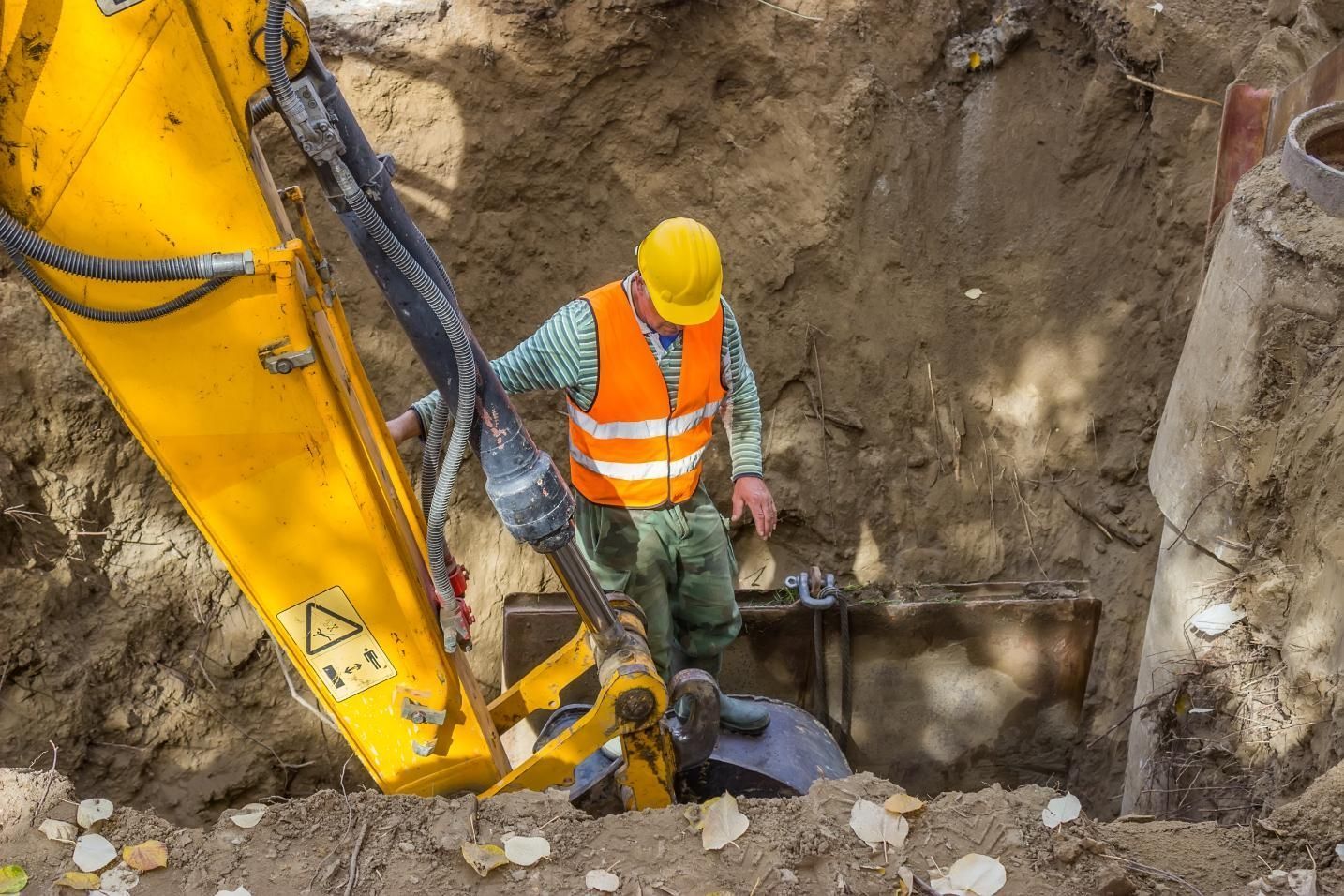
Utility trenching in Laramie, WY involves the precise excavation of ditches and underground pathways used for installing essential infrastructure such as water lines, electrical conduits, communication cables, and drainage systems. Harvey Dirtworks provides utility trenching services throughout Laramie and within a 100-mile service radius, supporting residential, commercial, agricultural, and rural infrastructure projects.
Trenching is a foundational step in underground utility installation. It requires accurate depth control, consistent alignment, and careful soil management to ensure that utility lines are properly protected and function as intended. In Wyoming, where soil conditions vary between rocky terrain, compact clay, and loose gravel layers, trenching must be performed with attention to ground stability and environmental factors.
Harvey Dirtworks
performs utility trenching with a focus on precision excavation, safe installation conditions, and long-term structural reliability for all underground systems.
Ditch Digging and Utility Line Excavation
Utility trenching begins with ditch excavation, where narrow channels are created to house underground utility lines. These trenches must meet specific depth and width requirements depending on the type of utility being installed.
Water Line Ditch Excavation
Water line trenches are excavated to precise depths to ensure consistent water flow and protection from freezing temperatures. In Laramie, WY, frost depth is a critical consideration, and excavation must extend below freezing levels to prevent pipe damage during winter months.
The trench base is shaped to provide a stable surface for pipe placement, ensuring proper alignment from the water source to the point of use.
Electrical Conduit Trenching
Electrical utility trenches require careful excavation to protect wiring systems from environmental exposure and physical damage. Trenches are dug with consistent depth and spacing to accommodate conduit systems that carry power safely underground.
Excavation in rocky or compact soil conditions may require additional effort to maintain trench accuracy and prevent collapse during installation.
Communication and Fiber Optic Line Trenching
Communication infrastructure, including fiber optic and data lines, relies on shallow but carefully controlled trenching. Excavation ensures that these lines are protected while maintaining signal integrity and minimizing interference from surrounding soil conditions.
Drainage and Utility Ditch Construction
In addition to utility installation, trenching is also used for drainage control systems that manage water flow across properties in Laramie and surrounding areas.
Stormwater Drainage Ditches
Drainage ditches are excavated to redirect excess surface water away from structures, roads, and agricultural land. Proper grading within the trench ensures consistent water movement and reduces the risk of erosion or flooding.
Field and Agricultural Drainage Systems
On rural properties, trenching is often used to manage water distribution across fields and grazing areas. These systems help control soil saturation and maintain usable land conditions throughout seasonal changes
Erosion Control Excavation
Drainage trenching is designed to reduce erosion by directing water flow into controlled pathways. Excavation shaping helps stabilize surrounding soil and prevent runoff from damaging nearby land.
Utility Trenching for Construction Projects
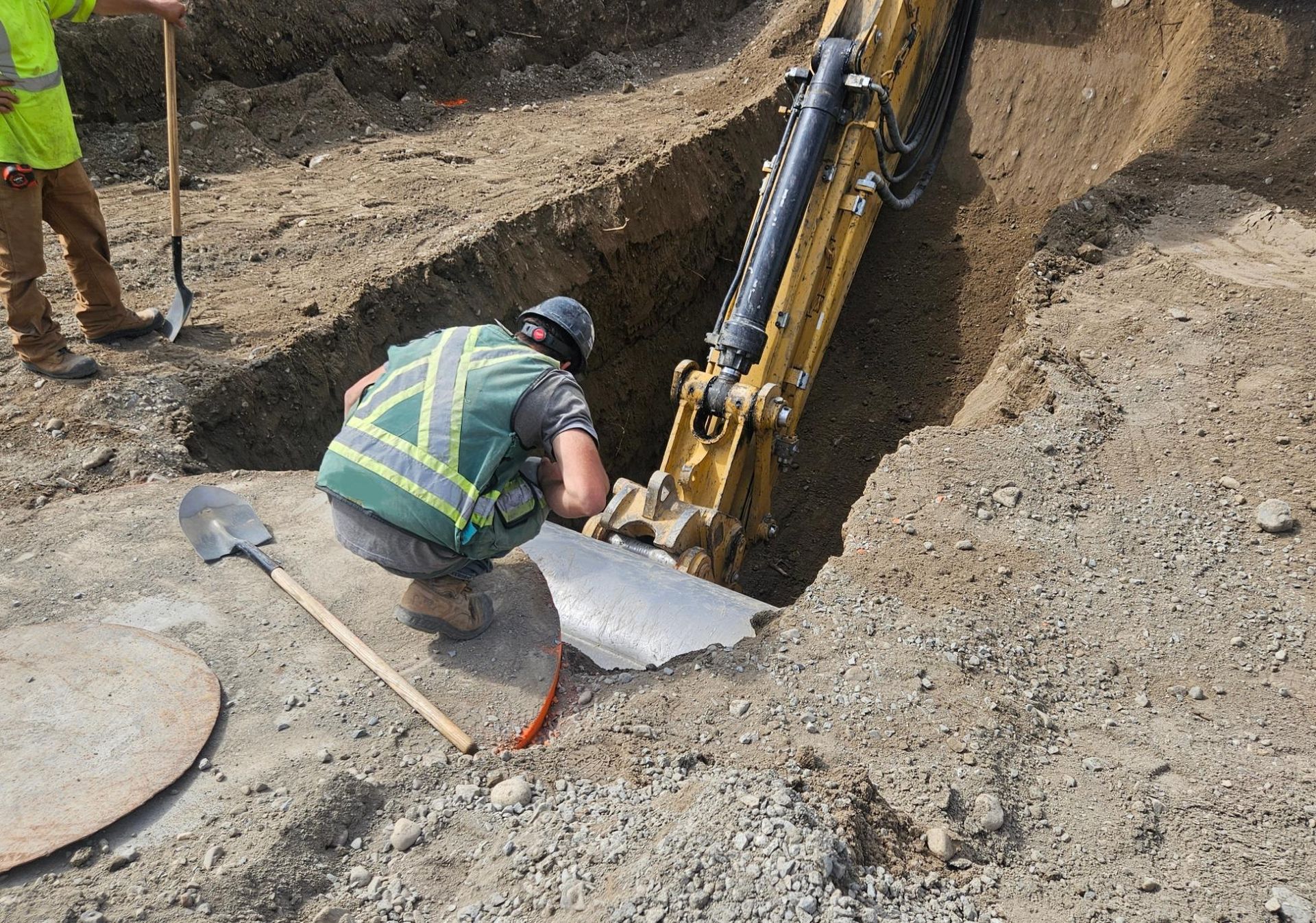
Utility trenching is a critical part of both residential and commercial construction projects. In Laramie, WY, underground utility installation must be carefully coordinated with building plans and site development requirements.
Residential Utility Installation
For homes and residential developments, trenching is used to install essential services such as water supply lines, sewer connections, and electrical systems. Excavation ensures that all utilities are properly separated and installed at correct depths.
Commercial Infrastructure Trenching
Commercial projects often require larger-scale trenching for multiple utility systems running across building sites. Excavation must support complex layouts while maintaining compliance with engineering specifications and safety requirements.
Coordination with Site Development
Utility trenching is typically performed alongside grading and excavation work during site preparation. This ensures that all underground systems are installed before surface construction begins.
Soil Conditions and Trenching Challenges in Laramie, WY
Utility trenching in Wyoming requires adaptation to varying soil conditions that affect excavation methods, trench stability, and installation accuracy.
Rocky Terrain Excavation
Many areas around Laramie contain rocky subsurface layers that require mechanical breaking or reinforced excavation methods. These conditions can slow trenching operations but are necessary for maintaining proper utility alignment.
Clay and Moisture-Retaining Soil
Clay soils can expand and contract with moisture changes, impacting trench stability. Excavation must account for soil behavior to prevent trench collapse or shifting after installation.
Loose Soil and Collapse Prevention
In areas with sandy or loose soil, trenches may require stabilization techniques during excavation to prevent collapse. This ensures safe installation conditions for utility lines and workers.
Backfilling and Trench Stabilization
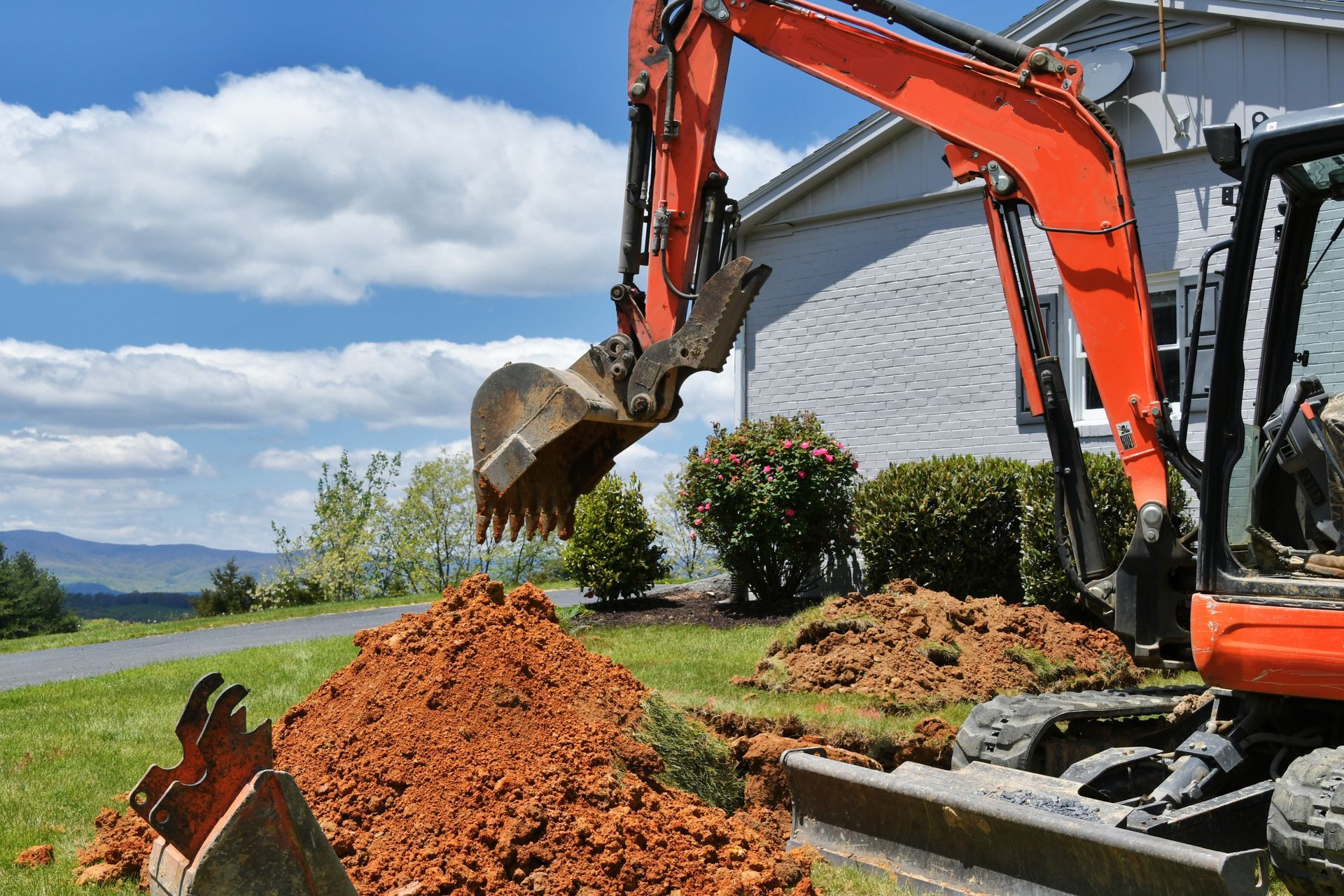
Once utility installation is complete, excavation work continues with backfilling and soil compaction to secure underground systems.
Layered Backfilling Process
Soil is returned to the trench in layers to ensure even compaction and minimize void spaces. This process helps protect utility lines from external pressure and ground movement.
Compaction for Long-Term Stability
Proper compaction is essential for maintaining trench integrity over time. Compact soil reduces settling and helps preserve the alignment of buried utility systems.
Surface Restoration After Trenching
After backfilling, the surface is restored to match surrounding terrain conditions. This may include leveling, smoothing, or preparing the area for further construction or landscaping.
Service Area for Utility Trenching in Wyoming
Harvey Dirtworks provides utility trenching services in Laramie, WY and extends up to 100 miles into surrounding rural, residential, and commercial areas. This includes farmland, construction sites, and remote properties requiring underground utility installation.
Each trenching project is tailored to site conditions, soil type, and utility requirements. Excavation is performed with precision to ensure that all underground systems are installed at correct depths and aligned for long-term performance.
Utility trenching is essential for modern infrastructure development, and proper excavation ensures that water, power, and communication systems operate safely and efficiently across Wyoming’s diverse terrain and environmental conditions.